Important tool updates - Learn more
- Learn
-
Articles
Read about influencer marketing
-
Growthnotes - Newsletter
Insights for the modern marketer
Attention spans are shrinking, but creativity? It’s never been louder.
Scroll through YouTube today and you’ll see it. Fifteen-second clips hit harder than a 15-minute video, showing just how powerful short-form video has become. That’s the power of Shorts: fast, raw, and made for the thumb-scrolling generation, where viral videos spread faster than ever.
But behind every viral moment is strategy.
YouTube Shorts have become the biggest stage for creators, brands, and storytellers who know how to hook attention and hold it. These are the ones who understand pacing, visuals, and timing, the backbone of viral growth.
The content creators who want to build reach, retention, and recognition without burning out on the algorithm treadmill.
In this guide, you’ll find:
Keep scrolling. Your next viral clip might start here.
Pro tip: Want to make the most of your efforts on this platform? YouTube influencer marketing may be the right strategy to try next.
YouTube Shorts are quick, vertical videos (originally under 60 seconds, but now under 3 minutes) made to grab attention fast, especially on phones. They live in the Shorts Feed on the YouTube app and autoplay in a loop.
This makes them a popular way to reach your target audience quickly.
The goal is to hook viewers right away. There are no deep dives like long-form videos. Instead, Shorts thrive on snappy visuals, punchy storytelling, and strong retention to catch the algorithm’s eye.
You can make them using the Create tab or any Shorts tool out there, and they are a great way to boost your channel’s reach, bring in more views, and keep your audience coming back for more video content.
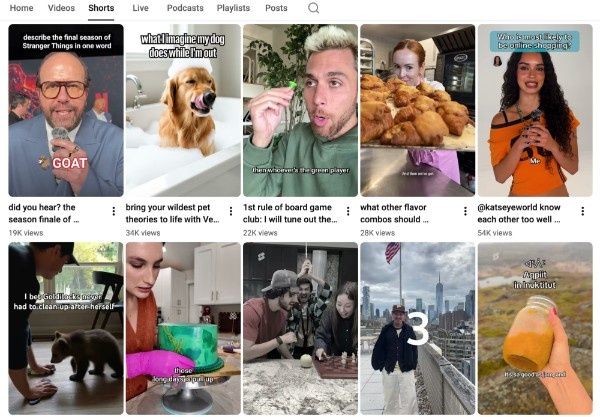
If you’re looking for a serious tool to grow your YouTube channel and you haven’t put much thought into YouTube Shorts yet, now’s the time.
Here’s what makes Shorts worth your energy:
If you’re serious about growing your channel, retaining viewers, and getting more reach, making Shorts part of your regular content plan is smart.
YouTube Shorts might be quick to watch, but they demand a long‑term strategy. Every frame, edit, and second matters when you’re trying to stand out in a fast‑scroll feed.
That’s why we’ve pulled together our top creator tactics. These are 12 practical tips we’ve seen work time and again. They come from studying thousands of high‑performing Shorts, from what hooks viewers and keeps them watching to what turns casual scrollers into loyal subscribers.
From nailing the first three seconds to building an engagement plan, each tip is designed to sharpen your creativity and boost retention and reach.
Let’s get started.
You’ve only got a few seconds to make a first impression. Literally. Studies show that viewers decide whether they’ll stick around in the first three seconds. So, if your Short doesn’t grab attention right away, they’re gone.
To get real results, start strong with something that pops. Think fast motion, a surprising reaction, or a line that sparks curiosity. Maybe a sudden zoom, a dramatic facial expression, or a “wait for it…” moment.
Pro tip: Here are the top-performing ad hooks that our team tried and tested.
And remember: A/B testing those hooks is extremely important to capitalize on the highest-performing assets that decrease your CAC considerably.
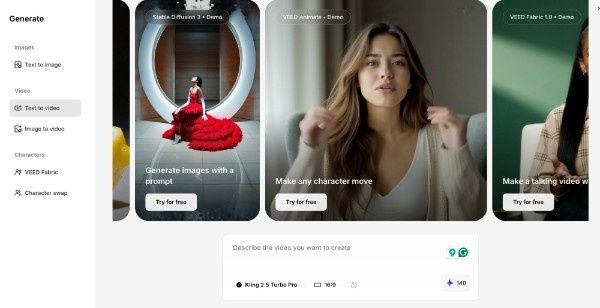
Tools like CapCut or Veed.io make it super easy to add motion graphics, flashy cuts, and text overlays that amp up the energy.
In short-form video, every second must pull its weight. YouTube's own guidelines emphasize that high-performing videos eliminate fluff and filler to keep viewer retention strong.
On average, YouTube Shorts that perform well tend to hold around 73% viewer retention, with the same report showing that viral ones often push past 75%.
So, how can you increase retention?
Start with what your audience doesn’t like.
In the Audience Retention section of YouTube Studio, you’ll see drop-off points where viewers leave, and it’s usually when nothing’s happening.
That’s why a lot of smart creators use tools like Descript or cut in a jump cut style that involves slicing out every “um,” pause, or repeat to keep the energy up.
Pro tip: A good gut check? Ask yourself: Would I keep watching this if I didn’t know what it was about? If you’re still unsure 2 seconds in, it’s time to trim.
Metadata might sound boring, but it’s a big deal when it comes to getting your Shorts seen. That includes your title, hashtags, and description as they all help the algorithm figure out who to show your video to.
Keep your title short and keyword-packed, ideally under 40 characters. A tool like TubeBuddy or VidIQ can help you find the right phrases people are actually searching for.
When it comes to hashtags, aim for 3 to 5. Try a mix of broad ones like #YouTubeShorts and #shortformvideo, plus some niche-specific tags like #CryptoTips or #FitnessShorts. These can really boost your chances of popping up in feeds and search results.
Your description should be short, clear, and echo the main topic of your Short. And don’t forget when you post. Research from Buffer suggests that weekday afternoons (around 3–5 p.m.) tend to be a sweet spot for grabbing eyeballs.
Just because Shorts autoplay doesn’t mean your first frame doesn’t matter. In fact, it’s everything. It’s the first thing people see in the Shorts tab, and it can either pull them in or get swiped past.
To stop the scroll, go bold.
Here’s a good mixture of thumbnails and titles from the Renaissance Periodization (RP) channel:
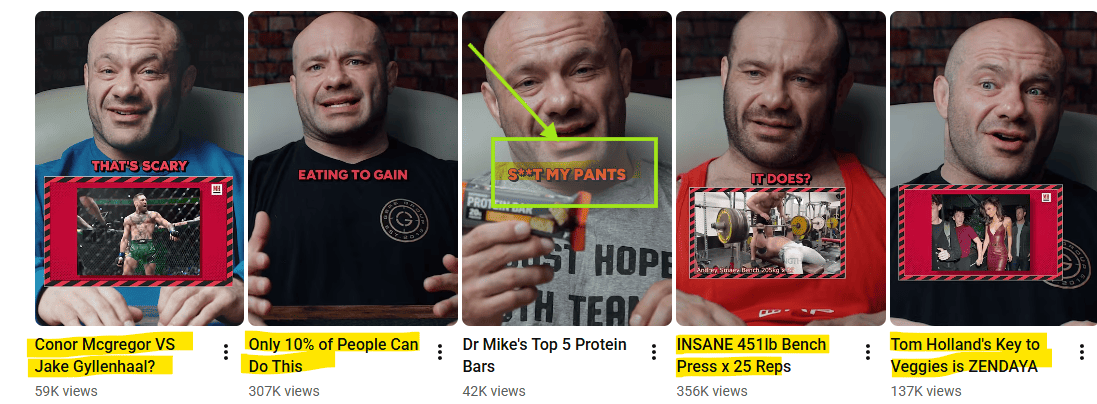
Design tools like Canva and Adobe Express are great for creating these visuals, especially if you’re building out branded elements like a consistent font or layout. You can even sneak in a little floating subscribe button or teaser line without it feeling spammy.
And here’s a bonus tip: Just like RP does, keep your visual style consistent. Same font, same vibe, same kind of layout. It helps viewers recognize your Shorts at a glance, which can quietly boost your click-through rates over time.
Think of your Short like a bite-sized movie. You want a clear beginning, middle, and end, even if it’s just 30 seconds long.
Use snappy cuts, conversational language, and visuals that spark emotion.
And here’s a slick move: end your Short with a little preview or hint at what’s coming next, especially if it connects to your next Short or a long-form video. It creates a loop that keeps viewers coming back for more.
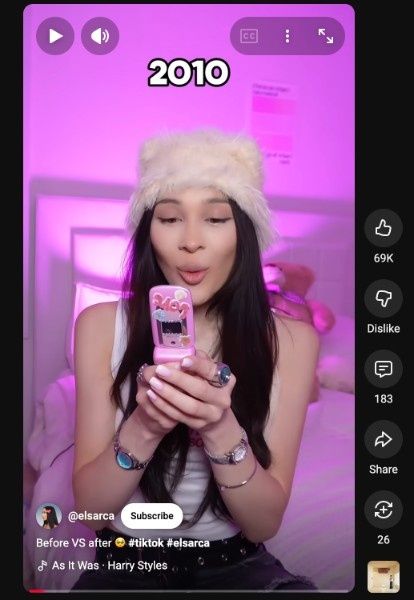
If you’re already making long tutorials, interviews, or podcasts, you’re sitting on a goldmine. The folks at YouTube even advise finding the standout moment, cropping it vertically, adding captions, and trimming it to 60 seconds or less to turn it into a Short.
Here’s how you can make it work:
It’s efficient: less filming, more content, and a funnel that leads viewers from your Shorts into your longer videos.
A case study on Jellysmack walks through how they help creators take full‑length YouTube videos and turn them into short‑form content that hits multiple platforms.
Why this works:
If there’s one thing the Shorts algorithm loves, it’s consistency. Posting 1 to 3 Shorts per day, as we noted above, gives your channel a steady flow of signals and more chances to get picked up. It also keeps your audience engaged and coming back for fresh stuff.
But it’s not just about volume.
You’ll want to ride the wave of what’s trending, too, whether it’s a sound, format, or topic that’s blowing up on TikTok, Reels, or Shorts. Just make sure it still feels you. Viral trends are great, but don’t ditch your brand vibe chasing virality.
For example, the creatine trend was getting pretty big in the fitness influencer world a while back, so everyone was posting their unique takes:
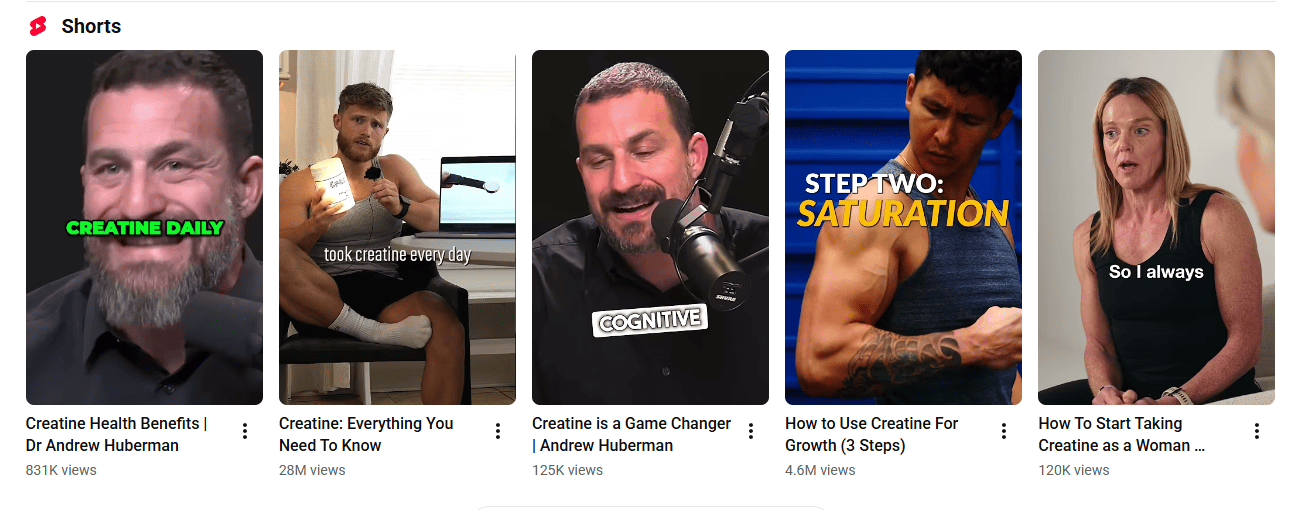
Pro tip: Tools like Google Trends or TubeBuddy’s trending tags can help you spot what’s catching fire early. When you see something heating up, jump on it fast. Use keyword research and search engine optimization to leverage YouTube Algorithms.
Create a version that fits your style, then check the numbers after 24–48 hours. If it’s performing well (good retention, likes, comments), double down and scale that format. That kind of momentum gets the algorithm’s attention.
Want to know why some Shorts blow up while others flop? The answer’s in the data.
Hop into YouTube Studio and keep an eye on key stats like:
Pro tip: The average retention rate on Shorts is higher compared to long-form videos. So, if viewers are bailing at 8 seconds, there’s probably a fixable moment in your edit.
A good weekly habit: review one high-performing Short and one that tanked. Ask: what worked, what didn’t, and what can you borrow or tweak?
Remember: Keep a simple tracker, even if it's just a spreadsheet, with five key metrics per Short: Post time, Retention %, Comments, Shares, and Subscriber bump. Over time, you’ll spot patterns that help you double down on what works (and ditch what doesn’t).
You want people scrolling through Shorts to stop and think, “Hey, I know this creator.” That kind of instant recognition comes from having a consistent look and feel.
Stick to the same font, color scheme, and tone of voice in your videos.
Maybe it’s a bold color splash, a certain emoji you always use, or your signature way of opening with a reaction face. Even a subtle logo in the corner or a familiar intro/outro sound can make a difference.
For example, if every Short kicks off with your bold orange splash and your surprised face, that becomes part of your “visual identity.” Over time, your audience will start to spot your content before they even hear you speak.
Insider tip: Pick one visual “style” and stick with it for your next 20 Shorts. Then check your click-through rate (CTR). You might be surprised how much familiarity can boost engagement.
Even your most viral format probably started as a shot in the dark. That’s why testing is everything across all campaigns.
Pro tip: Try our free ad mockup generators to create different versions of your ads and decrease ad fatigue.
As for YouTube Shorts specifically, you can:
This lets you collect data that shows you exactly what works.
Let’s say you test “Did you know…” vs. “Stop doing this…” and one keeps viewers watching 30% longer. That should be your new go-to tone. Now you can rinse and repeat that style across more topics instead of starting from scratch every time.
When you’re writing a script for Shorts, think conversation, not presentation. You’re talking to one person, so keep it casual, punchy, and personal.
We already showed you how to try scripting in three beats:
A good pacing rule? Aim for no more than 20 words every 5 seconds.
Shorts creation tools like Descript can help you time it out, but here’s a simple hack: read your script out loud with your phone’s stopwatch. If your hook drags past 3 seconds, trim it down.
If your Short is the spark, engagement is the fuel. Likes, comments, and shares all tell the algorithm your content’s worth spreading.
Start by asking a direct question in the video: “Which one are you using—A or B?” or “Try this and drop your result in the comments.”
Simple, specific questions make it easy for people to jump in.
Timing matters too. Try to reply to the first 20–30 comments within the first hour. That early activity gives your Short more momentum in the feed.
Encourage quick actions like “Double-tap if this has ever happened to you,” or “Tag a friend who needs to see this.”
If you’re sharing the Short on Reels or TikTok, invite duets or stitches, as this can turn a passive viewer into an active one.
Pro tip: AI voices seem to decrease engagement rates in YouTube video clips, so try to avoid creating a faceless channel.
Now you've got 12 solid tips to help turn your YouTube Shorts into a serious growth machine. From grabbing attention in the first 3 seconds to dialing in your metadata and learning from your analytics, each move plays a role in boosting watch time, engagement, and visibility.
Want to take things even further? inBeat has a free toolkit built for creators and brands. It’s loaded with calculators, ad mockup tools, and creative resources you can use right now.
Just head to inbeat.co and plug these tools into your workflow.
If you’re ready to scale up, ride the momentum from your Shorts strategy and let our creative agency help you fine-tune your content, streamline your process, and get even better results.
Virality comes down to three things: a strong hook, solid viewer retention, and high engagement. You need to grab attention in the first second, deliver a punchy, emotional, or visual payoff, and give people a reason to watch again or share. Use trending hashtags and topics to help the algorithm push your Short to more viewers. But ultimately, ensure you create content your audience actually cares about, and make it replay-worthy.
There’s no magic hour, but 3–5 p.m. on weekdays, especially Wednesdays, performs well. Mondays and Tuesdays between 11 a.m.–3 p.m. or 7–10 p.m. also show solid engagement. But those are averages, so check your YouTube Studio to see when your audience is online and test different times from there.
Start strong with a hook that stops the scroll, then keep viewers watching with fast pacing and clear payoffs. Use a keyword-rich title, 3–5 hashtags, and hop on trending topics or sounds.
Also, share it outside YouTube; on Instagram, in Stories, or your Community tab. The more discoverable your Short, the faster you’ll hit that 1,000-view mark.
Ask questions, use trending sounds, keep your script tight, and reply to comments fast. Watch your analytics and double down on what works, especially videos that get rewatched or shared. Popularity isn’t random. It’s repeatable with the right mix of content, consistency, and tweaks based on what performs.
Technically? Yes. But should you? Probably not. Posting 1-3 Shorts per day tends to be a better long-term play. Too many uploads can tank your average watch time, annoy subscribers, and make it harder to track what’s working. Focus on quality and consistency over volume. A few strong Shorts are worth more than 100 forgettable ones.