Important tool updates - Learn more
- Learn
-
Articles
Read about influencer marketing
-
Growthnotes - Newsletter
Insights for the modern marketer
Let’s face it, digital advertising isn’t getting any easier. Data volumes are exploding, targeting rules are constantly shifting, and privacy regulations are rewriting how we collect and use signals. In the middle of all this chaos, machine learning (ML) has become a must‑have.
Trying to optimize campaigns manually with fixed rules just doesn’t cut it anymore.
Programmatic platforms are handling huge datasets every day. Adtech company Index Exchange alone processes two petabytes of data daily.
That’s the kind of scale where only machine learning models can keep up, analyzing data fast and making accurate decisions in real time.
And with cookies on the way out and privacy laws tightening, marketers now have to lean on models that can make sense of messy, fragmented signals. What’s more, these models must still automate optimization without skipping a beat.
In this article, we’ll break down:
By the end, you’ll have a practical playbook for bringing ML into your own campaigns: what data you’ll need, how models adapt to shifting signals, and where you can expect the biggest performance lifts.
Pro tip: Before diving into ML tools, double-check that your behavioral data, like CTR, conversions, and engagement, is clean and easy to access. Even the best models can’t do much with bad input.
Up next, we’ll break down how machine learning actually works in advertising, and even share some real-world examples to help you figure out which approach makes the most sense for your goals.
Let’s start by explaining the core mechanics of how machine learning powers smarter, more data-driven advertising.
Unlike old-school if-then logic, machine learning systems recognize patterns, learn from them, and keep getting better as they process more data. In advertising, that means campaigns actually get smarter with every impression, click, and conversion.
At the heart of machine learning in advertising is data, and lots of it. Algorithms are trained on user behavior and campaign metrics like:
Platforms like OWOX BI and Google Ads Smart Bidding pull all this data together to train predictive models that help shape bidding strategies and creative optimization.
OWOX BI notes that tapping into predictive analytics can lead to noticeable lifts in campaign performance, mainly by sharpening audience targeting and improving how intent signals guide bidding decisions.
Good input data is still key because the quality of your signals directly affects how accurate your model outputs will be.
To see how these systems actually learn and improve, it’s useful to break down the three core approaches that power most advertising models.
Moloco Cloud DSP demonstrates the impact of adaptive machine-learning optimization, reporting up to a 40% improvement in ROAS on iOS’s LAT inventory compared to non-LAT impressions.
Together, these approaches help platforms predict user behavior, reveal new audience insights, and fine-tune delivery, all automatically.
Machine learning models can compare predicted results with actual performance (say, predicted CTR vs. actual CTR) and adjust on the fly. In action, this means your creatives, bids, and budgets are constantly being fine-tuned to match what’s working right now.
For example, Moloco Cloud DSP recalibrates its bidding strategies in real time, pulling signals from supply-side platforms and publisher inventory to stay efficient.
This feedback loop keeps your campaigns aligned with real-time shifts in user behavior, inventory quality, and market trends without you needing to jump in and manually tweak things.
Machine learning has become a game-changer in modern advertising because it enables faster decisions, sharper accuracy, smarter budget use, and scalable optimization across channels.
Whether you're working with programmatic platforms, marketing automation, or creative optimization, ML levels up every part of campaign performance by constantly analyzing signals and adjusting in real time based on what’s actually happening.
One of the biggest wins with machine learning is how much it reduces wasted ad spend. It helps avoid showing ads to low-intent users and focuses more on people who are actually likely to engage or convert.
A strong real-world example comes from Google Ads Smart Bidding.
When the Australian retailer Columbus adopted Smart Bidding, Google reported that they saw a 36% increase in conversion rate, along with a 28% decrease in cost per acquisition. This is a clear, verifiable example of machine learning reducing wasted ad spend and improving performance in an advertising environment.
Fraud detection is another area where ML shines. Platforms like The Trade Desk use built-in fraud-detection algorithms to spot bots, fake clicks, and other shady traffic in real time. These models track behavior patterns and detect anomalies to block bad impressions and protect your ad budget.
The result? Leaner, more focused spending that reaches real people and real potential customers.
ML-powered tools optimize bids, yes, but they also figure out where your money should be going in the first place.Tools like Google Ads Performance Max automatically shift your budget across Search, Display, YouTube, and Gmail based on what’s converting right now.
Predictive analytics push this even further.
Instead of only looking at past results, these models forecast outcomes like predicted click-through rates, purchase likelihood, or expected ROAS. In this way, platforms can make budget decisions based on what’s likely to happen, not just what’s already happened.
Bottom line: you get smarter budget allocation that adapts to shifting market conditions and real-time opportunities.
Machine learning doesn’t clock out. It runs 24/7, constantly learning from new data.
Platforms like Meta Ads use neural networks and live data streams to fine-tune delivery in real time. It takes into account things like seasonality, device type, time of day, and user behavior shifts.
This kind of always-on optimization goes way beyond simple A/B testing. ML lets you:
For advertisers, that means staying agile and competitive, especially in fast-moving markets or across multiple channels, without having to manually adjust everything.
Machine learning has already transformed how campaigns are trained, optimized, and scaled behind the scenes. Now it’s time to look at what you can actually do with it.
From sharpening targeting to automating creative decisions, ML unlocks practical, high-impact applications that marketers can put to work today. Here are nine of the most effective ways to use it in your advertising.
Personalization today goes way beyond sticking a name into an email. Machine learning lets you tailor content at scale. You can adjust creative, messaging, format, and timing based on each user’s context, behavior, and intent. This means building more relevant journeys without doing constant manual segmentation.
Platforms like Dynamic Yield and Adobe Target use machine learning to serve dynamic content in real time. It can switch product recommendations, CTAs, images, or layout variations based on things like scroll depth, page visits, or click sequences.
And it works:
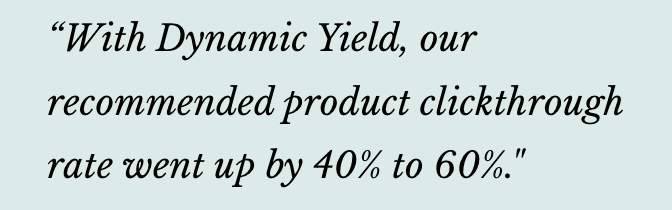
In e-commerce, that might mean returning visitors see different bundles or complementary products than first‑time visitors. In B2B, ML‑powered personalization can change landing page content based on past interactions like webinar sign‑ups or whitepaper downloads.
Machine learning can estimate how likely a user is to convert during a session, which lets the system adjust creative or messaging in real time.
For example, the Salesforce Marketing Cloud platform uses propensity scoring to rank leads or site visitors by conversion probability. That way, you can focus on your high‑intent users, and get solid results, such as:
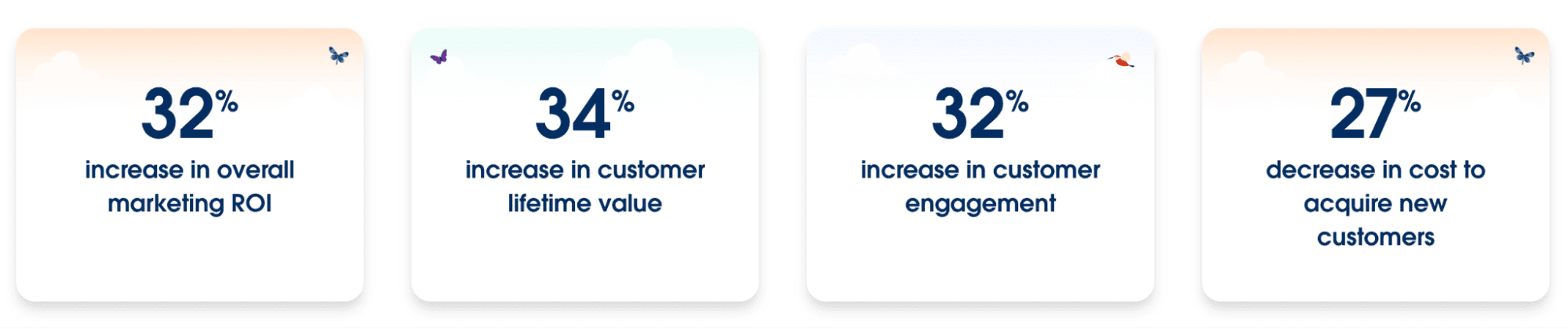
The biggest wins come when ML‑driven personalization covers multiple platforms.
Tools like Smartly.io unify machine learning insights across Meta Ads, Google Ads, TikTok, and programmatic channels, building a cohesive user journey.
A user might see:
This approach ties together identity resolution, behavior modeling, and creative testing in one system so your messaging stays consistent even when user behavior shifts across channels.
Traditional segmentation based on static demographics just isn’t enough anymore. Machine learning enables dynamic segmentation based on real‑time behavior, purchase activity, and contextual signals. This gives you sharper targeting and more efficient spend.
Unsupervised ML models group users by actions and behavior patterns, even when they don’t fit the usual demographic buckets. Adobe Experience Platform builds behavioral profiles that update continuously using signals like product views, time on site, and device type.
ML‑powered Customer Lifetime Value (CLV) modeling segments users by predicted long‑term value. This way, you avoid overspending on low‑value segments, so you can focus investment on users with high long-term potential.
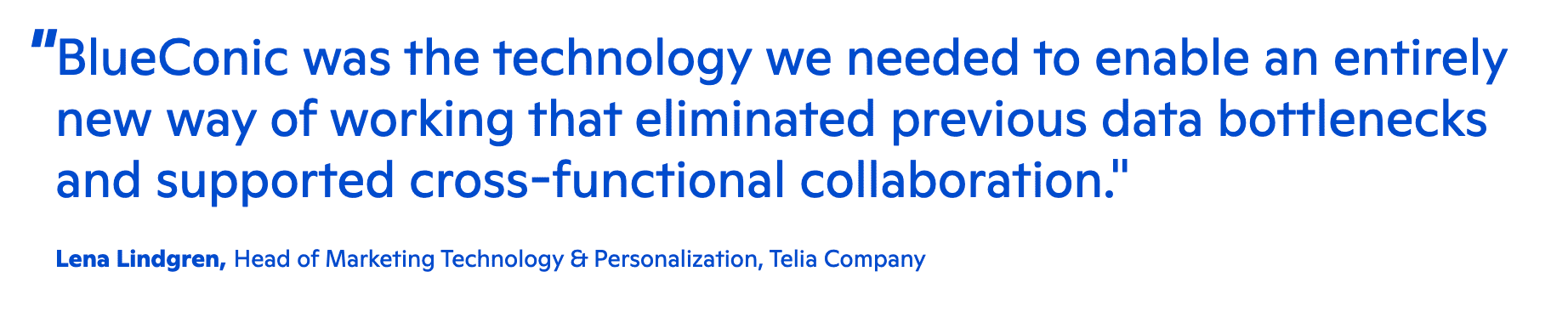
Some ML‑driven platforms like Segment and BlueConic refresh audience segments automatically as new behavioral signals arrive. Users get reassigned to the most relevant group in real time.
This agility is crucial in fast‑moving verticals like fashion or travel, where intent can shift quickly, and stale segments lead to lost revenue.
Users are extremely happy with this functionality:
Modern ad targeting now uses machine learning to interpret user intent, anticipate actions, and serve content at the optimal moment. Instead of relying on broad filters, ML uses behavioral and contextual signals to refine targeting in real time.
Platforms like Facebook Ads and Google Ads analyze browsing patterns, scroll depth, time on site, and past ad engagement to predict the likelihood of clicks or conversions.
As users shift their interests, ML systems update audience predictions instantly. DSPs like Moloco Cloud use this real‑time context to guide bidding and delivery decisions.
Third‑party cookies are (possibly) going away at some point. A valid replacement could be ML‑based contextual engines like GumGum’s Verity.
These tools use natural language processing (NLP) and image analysis to understand webpage context more accurately than even traditional keyword-matching tools. As a result, you can target relevant environments without relying on user tracking.
Predictive modeling uses machine learning to forecast future behavior, from clicks to purchases to churn. This helps marketers make decisions before things happen and allows campaigns to move from reactive optimization to proactive planning.
ML models analyze patterns across millions of impressions to predict which users are most likely to click or convert. And as we explained above, Google Ads Smart Bidding leverages these predictive signals in real time.
Tools like Optimizely’s Zaius use machine learning to estimate Customer Lifetime Value by analyzing purchase patterns, engagement behavior, and churn signals.
These predictions help shape both user acquisition strategies and retention programs because you can identify high-value customers early and tailor your campaigns accordingly.
This screenshot is a great illustration of how machine learning powers Customer Lifetime Value forecasting in modern marketing platforms:
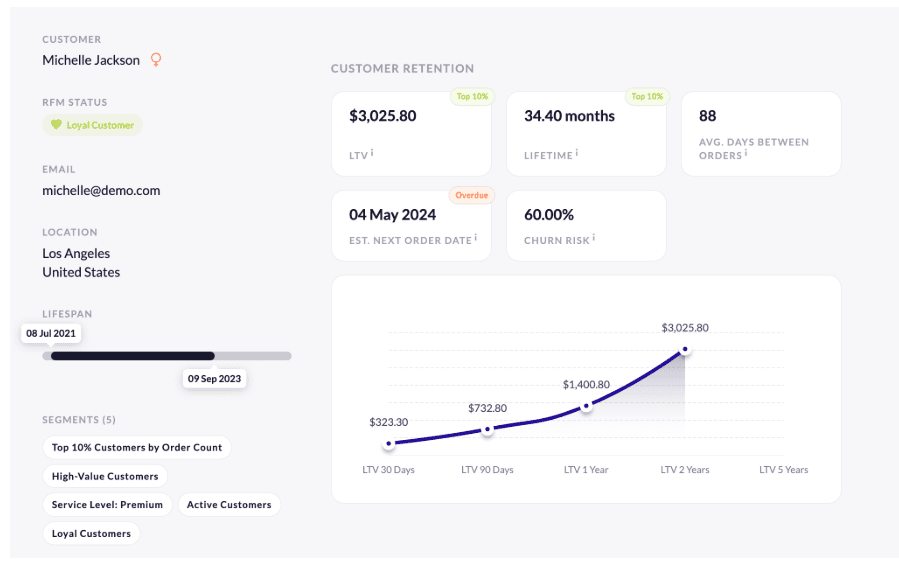
This Shopify dashboard analyzes an individual customer’s purchase history, order frequency, behavior patterns, and segment membership to estimate how much they are likely to spend over different periods of time.
It also shows key predictive metrics such as projected lifetime value, estimated next order date, churn risk, and average days between orders.
Platforms like Madgicx analyze predictive indicators like seasonality, audience fatigue, competitive pressure, and engagement trends. With this information, it can automatically redistribute your budget across channels.
This kind of outcome‑based optimization reduces overspend in low‑performing areas and scales what works.
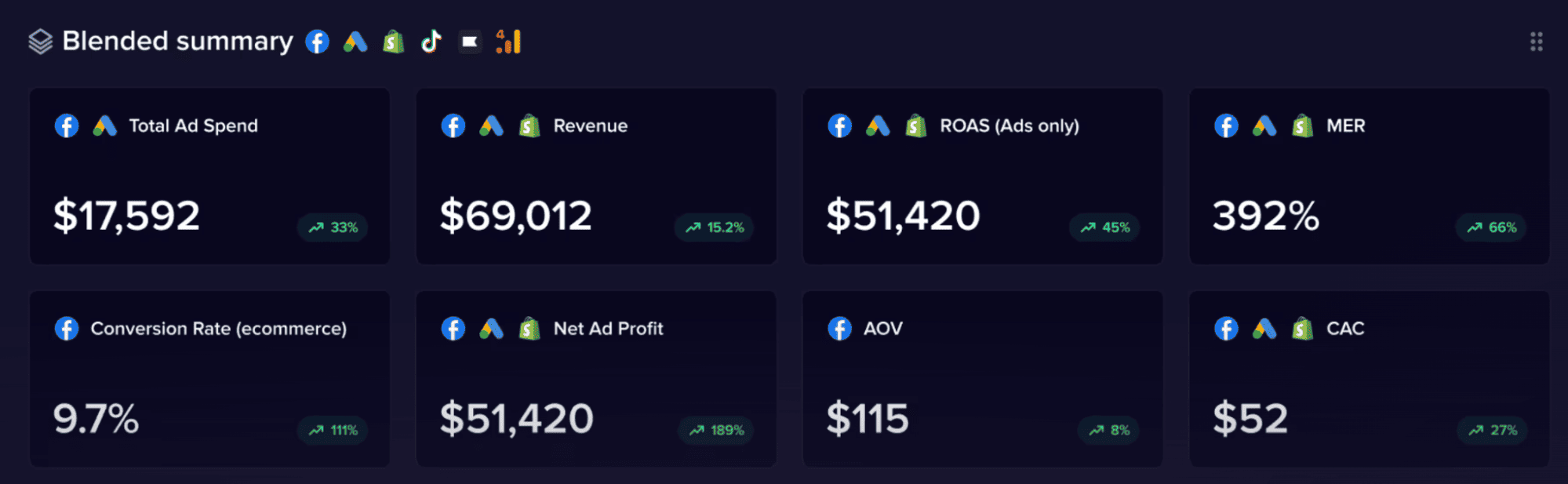
RTB depends heavily on machine learning, which assesses each impression and decides, within milliseconds, whether to bid and at what price. With billions of auctions each day, ML keeps everything efficient, accurate, and cost‑effective.
Platforms like Moloco Cloud DSP use deep learning to estimate conversion probability and expected revenue for each impression. This sets dynamic bid prices based on potential outcomes.
ML evaluates impression quality using factors like behavior history, page context, device type, and time of day. Platforms like The Trade Desk combine ML scoring with SSP data to prioritize high‑quality inventory.
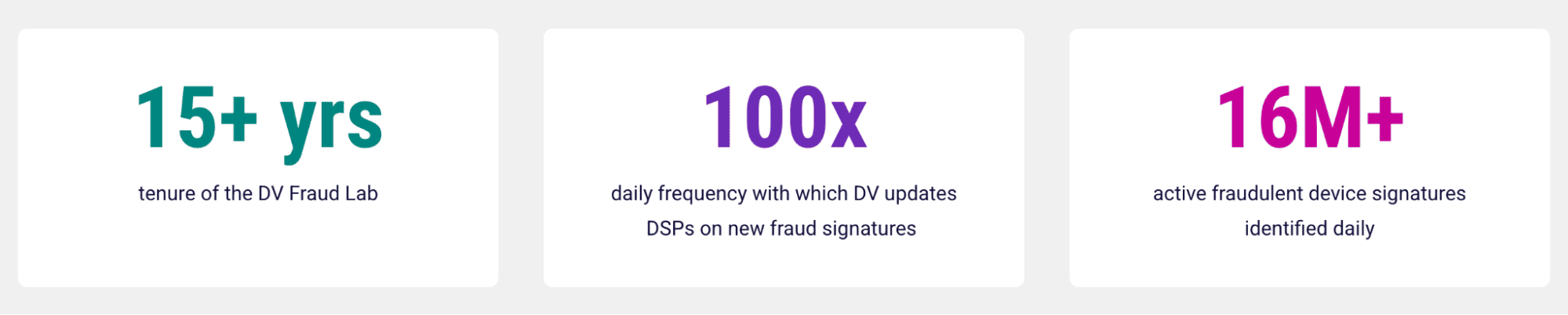
Machine learning detects fraud patterns, like click spikes, non‑human behavior, and suspicious IP activity. Tools like Integral Ad Science (IAS) and DoubleVerify block fraudulent impressions in real time and keep your budget safe.
Modern programmatic advertising relies on ML and AI to optimize inventory selection, budget pacing, and placement decisions. These systems automate nearly every part of campaign execution.
ML models embedded in platforms like The Trade Desk, Moloco, and Google DV360 evaluate bid requests in milliseconds.
Adobe Advertising Cloud uses AI to control budget pacing, manage frequency caps, and adjust delivery based on engagement.
Here’s a great example of what an AI-optimized programmatic dashboard looks like in practice. A view like this helps advertisers see, at a glance, how machine learning is shaping performance across the entire campaign.
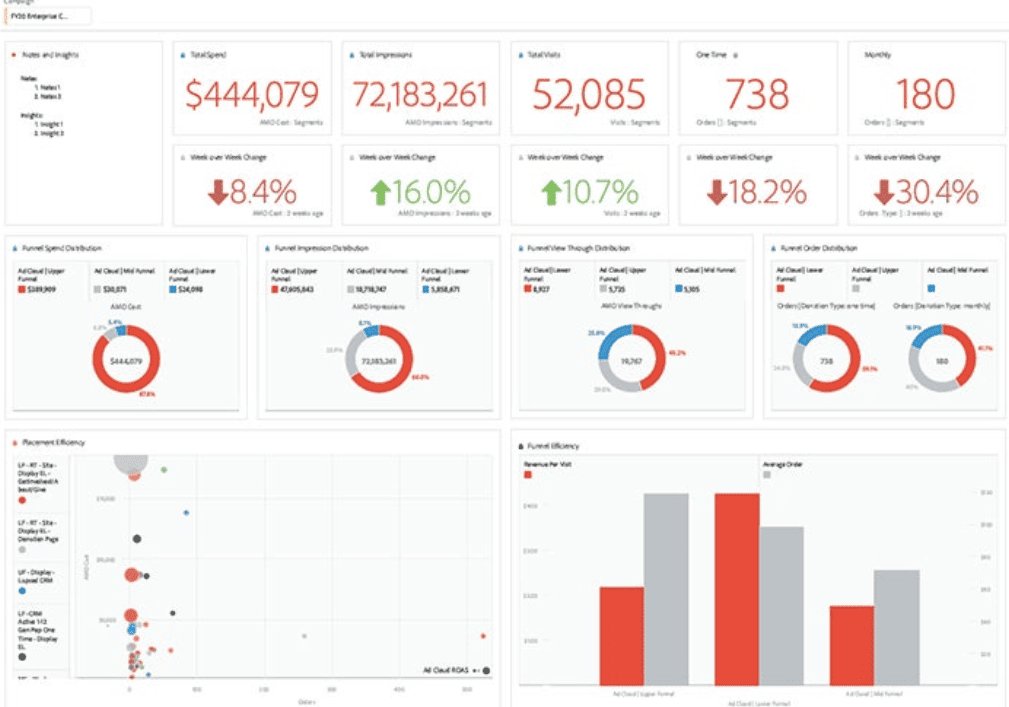
You can immediately spot trends in total spend, impressions, funnel distribution, and order volume, then use those insights to decide where to scale, where to cut back, and which placements are delivering the highest efficiency.
The lower charts help you compare funnel performance and evaluate which channels or creatives are outperforming others, so you can reallocate budget toward the segments the algorithm identifies as most profitable.
AI evaluates content suitability using natural language processing, sentiment analysis, and contextual signals. Platforms such as IAS and DoubleVerify apply these models to ensure ads appear in brand‑safe environments.
Creative is now one of the most powerful levers in digital advertising, and ML is automating a lot of that optimization.
DCO uses ML to assemble the best creative elements, like headlines, imagery, CTAs, and layouts, for each viewer in real time. Tools like Google Display & Video 360, Google Ads DCO, and Celtra enable DCO at scale.
ML accelerates testing through multivariate analysis and reinforcement learning, identifying the best combinations quickly.
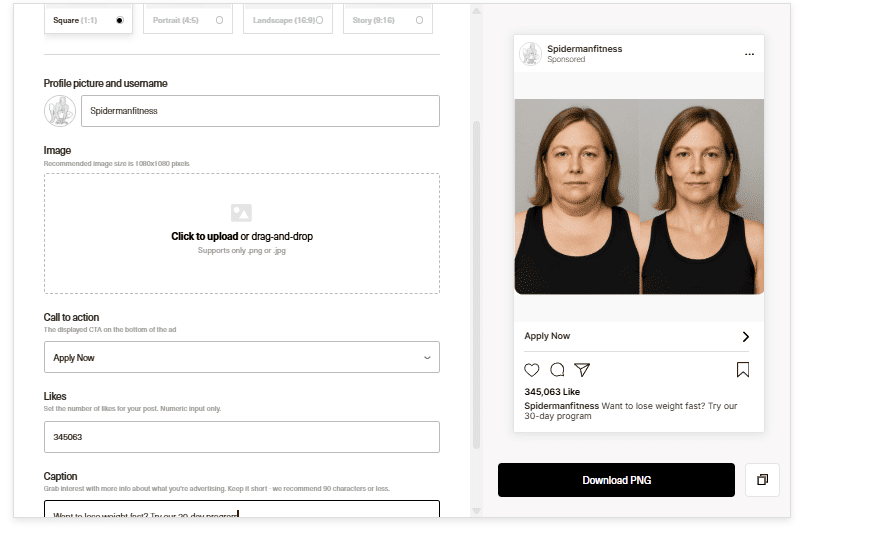
Pro tip: You can also use these free ad mockup generators if you want fast creative testing. Of course, ad mockup generators do not perform ML-based creative testing, but they render fast design previews. Here’s how easy it is to use one for Instagram ads:
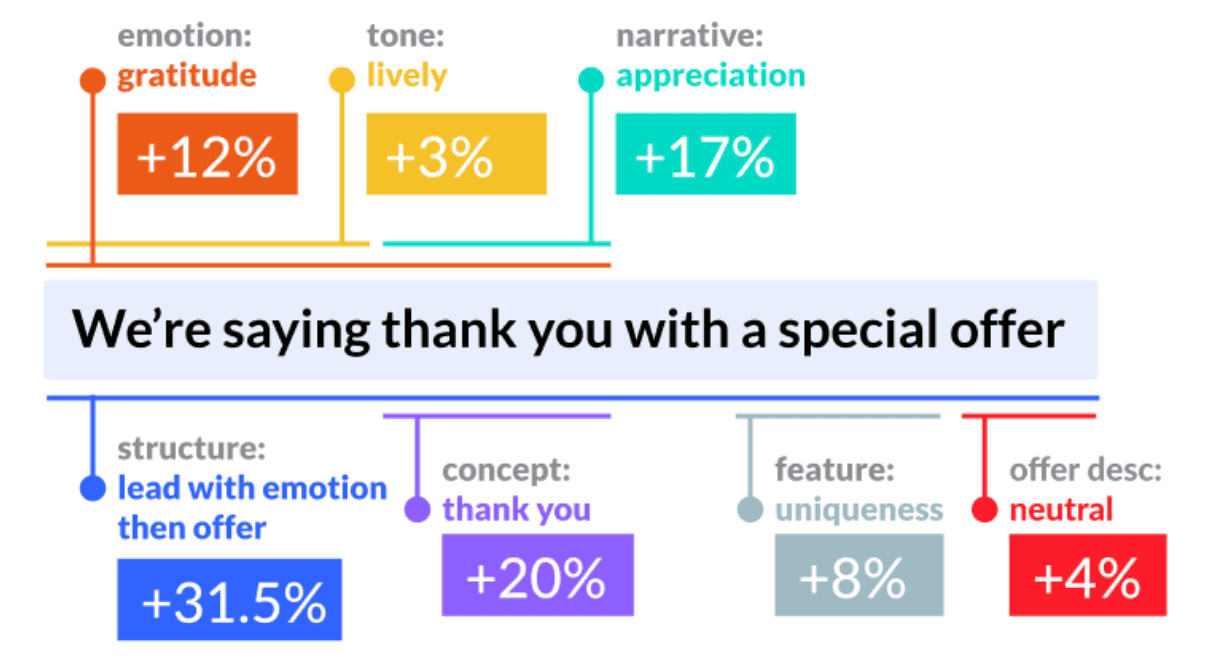
Platforms like Persado focus on language optimization, using NLP to tailor message tone and wording for different audience segments. Here’s what that looks like:
For broader dynamic personalization that includes visuals, CTAs, or offers, advertisers typically rely on full DCO engines inside DSPs or platforms like Celtra or Google’s Display & Video 360.
Ad fraud messes with performance and eats up budget fast. Machine learning provides scalable protection by detecting and preventing fraud in real time.
ML can tell human behavior apart from automated activity using signals like mouse movement, click speed, session duration, and interaction timing. Vendors like HUMAN and DoubleVerify apply these models across ad ecosystems, with DoubleVerify recording a 69 % increase in bot fraud on CTV in 2022.
Platforms like Fraudlogix use unsupervised ML to spot deviations such as sudden spikes in impressions or suspicious traffic sources.
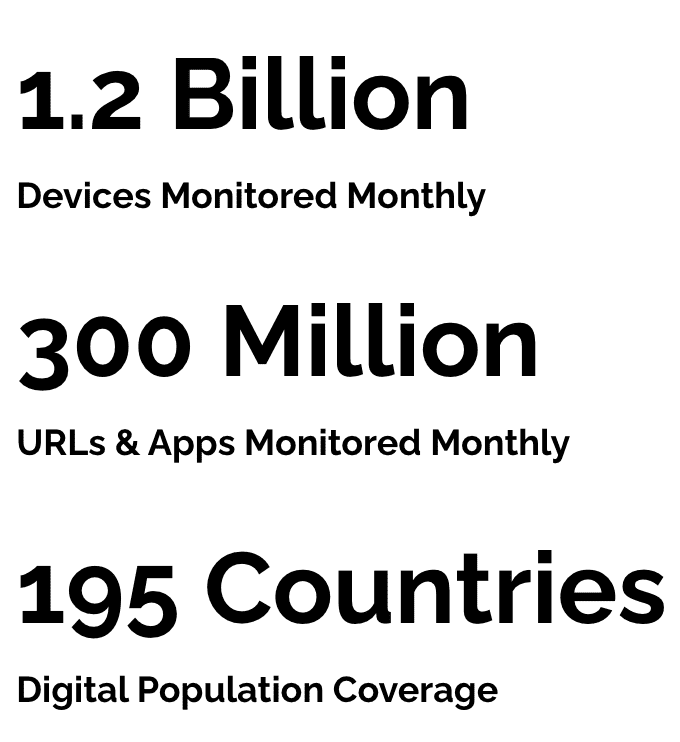
ML models keep learning from new fraud patterns such as device spoofing, invalid traffic, and supply manipulation. Vendors like HUMAN and DoubleVerify provide real-time protection across display, mobile, and connected TV environments.
Other platforms use ML-driven impression scoring to filter low-quality traffic and maintain cleaner inventory across programmatic channels.
Generative AI speeds up creative production by generating visuals, copy, and video variations at scale. When combined with an AI video generator, it allows teams to produce, test, and optimize video content much more efficiently.
Generative AI tools like Canva Magic Studio and Adobe Firefly can auto‑generate visuals, headlines, product images, CTAs, and short‑form ad copy.
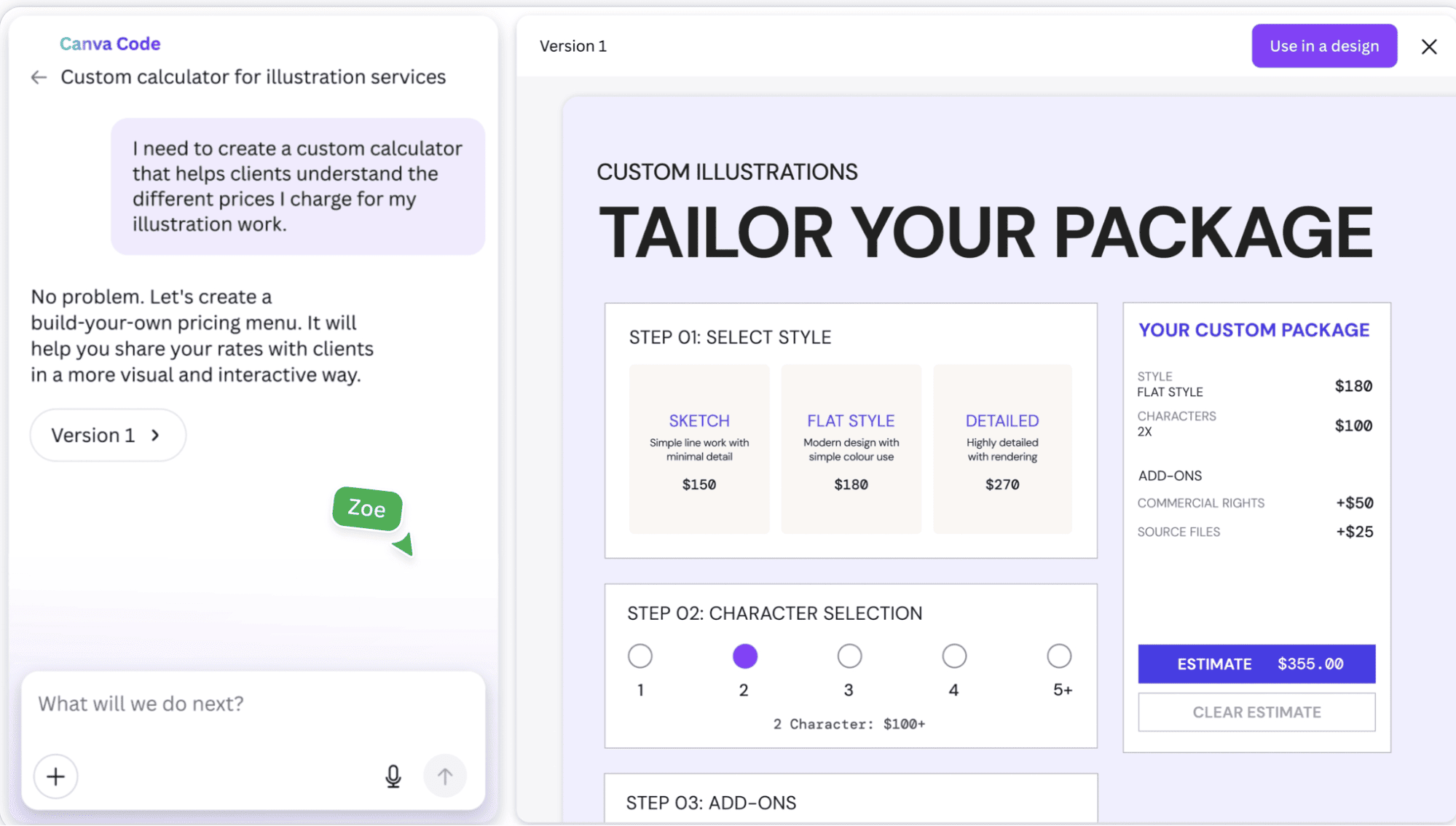
Meta’s AI Sandbox is also a good tool, but it focuses more on text variations and creative enhancements rather than full-image generation.
Once creatives are generated, AI models can score visuals and messaging based on likely impact, like CTR, time on page, and purchase completion.
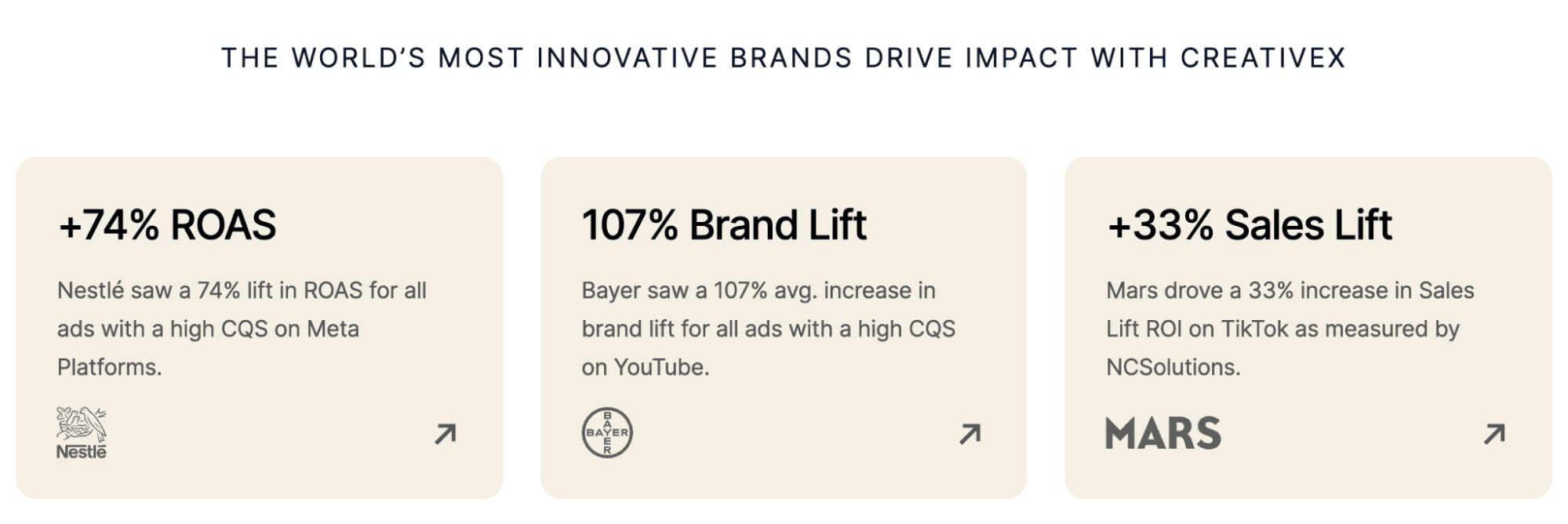
AI platforms like VidMob and CreativeX analyze elements such as color palette, pacing, tone, and visual hierarchy. These models highlight patterns linked to higher engagement and predict which creative variations are most likely to perform well.
CreativeX users see good results, which is why we recommend this platform, too:
With automated creative generation and predictive scoring, machine learning can orchestrate rapid cross‑channel testing on Google Display, TikTok, connected TV (CTV), and more.
Tools like Smartly.io pair creative automation with real-time performance data, which is great for faster asset rotation and quicker creative adaptation.
This makes it easier to optimize campaigns when dealing with large catalogs, frequent promotional cycles, or seasonal demand shifts.
Machine learning brings major performance and efficiency boosts to digital marketing, but putting it into practice isn’t always smooth sailing.
From data quality issues and attribution gaps to fairness concerns and tighter privacy rules, advertisers have to juggle a mix of technical, ethical, and operational challenges to make sure ML systems run accurately and responsibly.
ML models learn from historical data, and if that data has built-in biases, the model will pick them up and amplify them. This can lead to unfair or even discriminatory ad delivery. For example, certain groups might get targeted more aggressively, or others might be left out entirely.
To tackle this, platforms like IBM Watson Advertising have built-in tools for bias detection and transparency.
These tools scan datasets for skewed patterns before they affect your campaign. Advertisers are also stepping up with deeper dataset audits and more rigorous model testing to make sure targeting stays fair across audience segments.
Machine learning is only as good as the data it learns from, but in today’s marketing landscape, data can be fragmented and incomplete.
Think about how hard it is to trace conversions across TikTok, connected TV (CTV), influencer marketing campaigns, and multi-device user journeys. Attribution is a moving target.
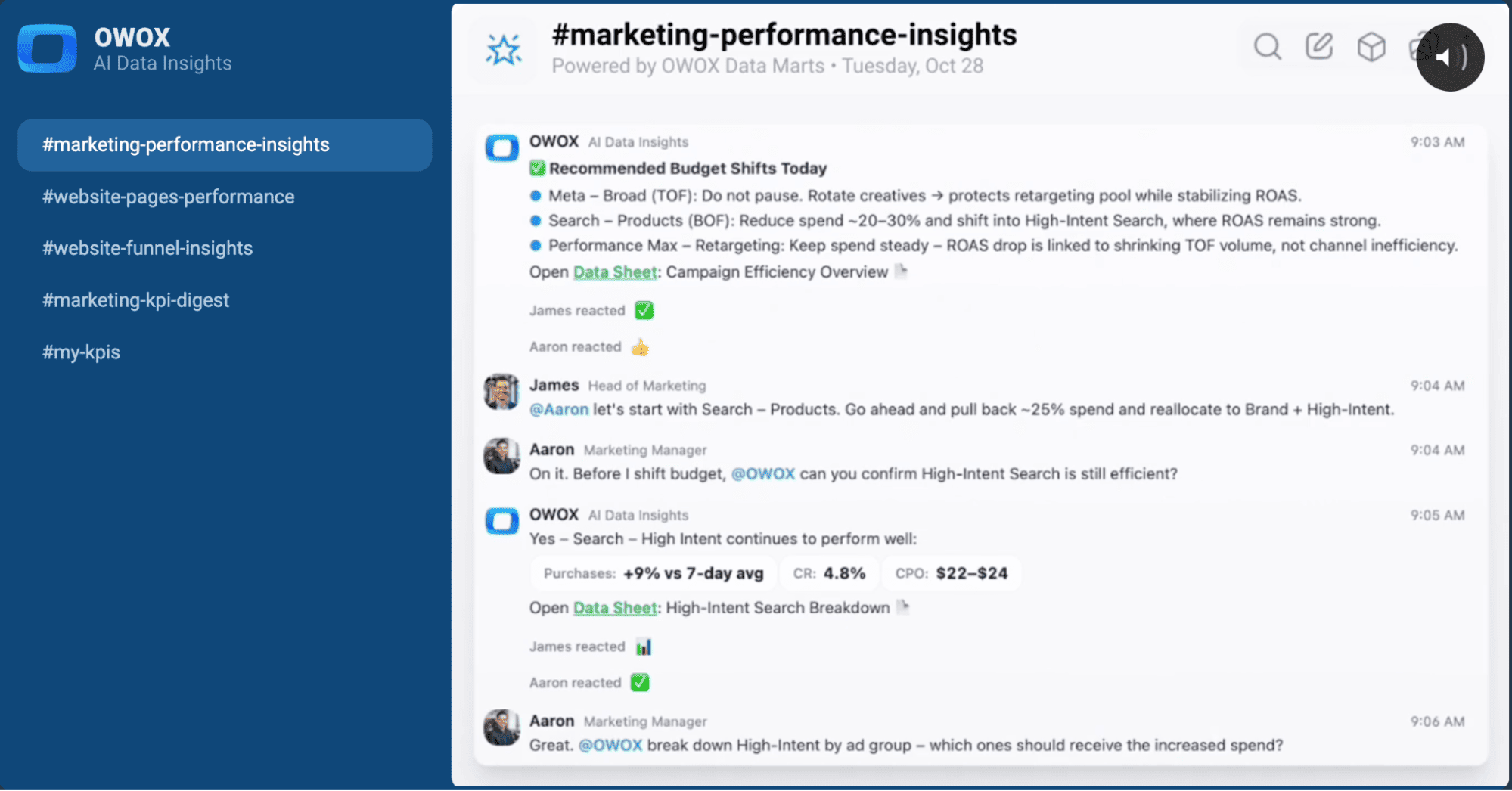
Tools like OWOX BI help by pulling in data from analytics platforms, apps, CRMs, and ad channels to build a more unified measurement view and cut down on blind spots.
Still, the potential shift away from third-party cookies, limited first-party data, and challenges with cross-device tracking can make ML models less reliable. That’s why more advertisers are blending statistical techniques with machine learning to fill in the gaps and make smarter predictions even with limited signals.
Privacy laws are tightening, and that’s reshaping how advertisers use machine learning. For example, ML-powered systems have strict rules to follow when it comes to collecting, storing, and using user data.
These changes have pushed the industry toward privacy-friendly machine learning techniques, including:
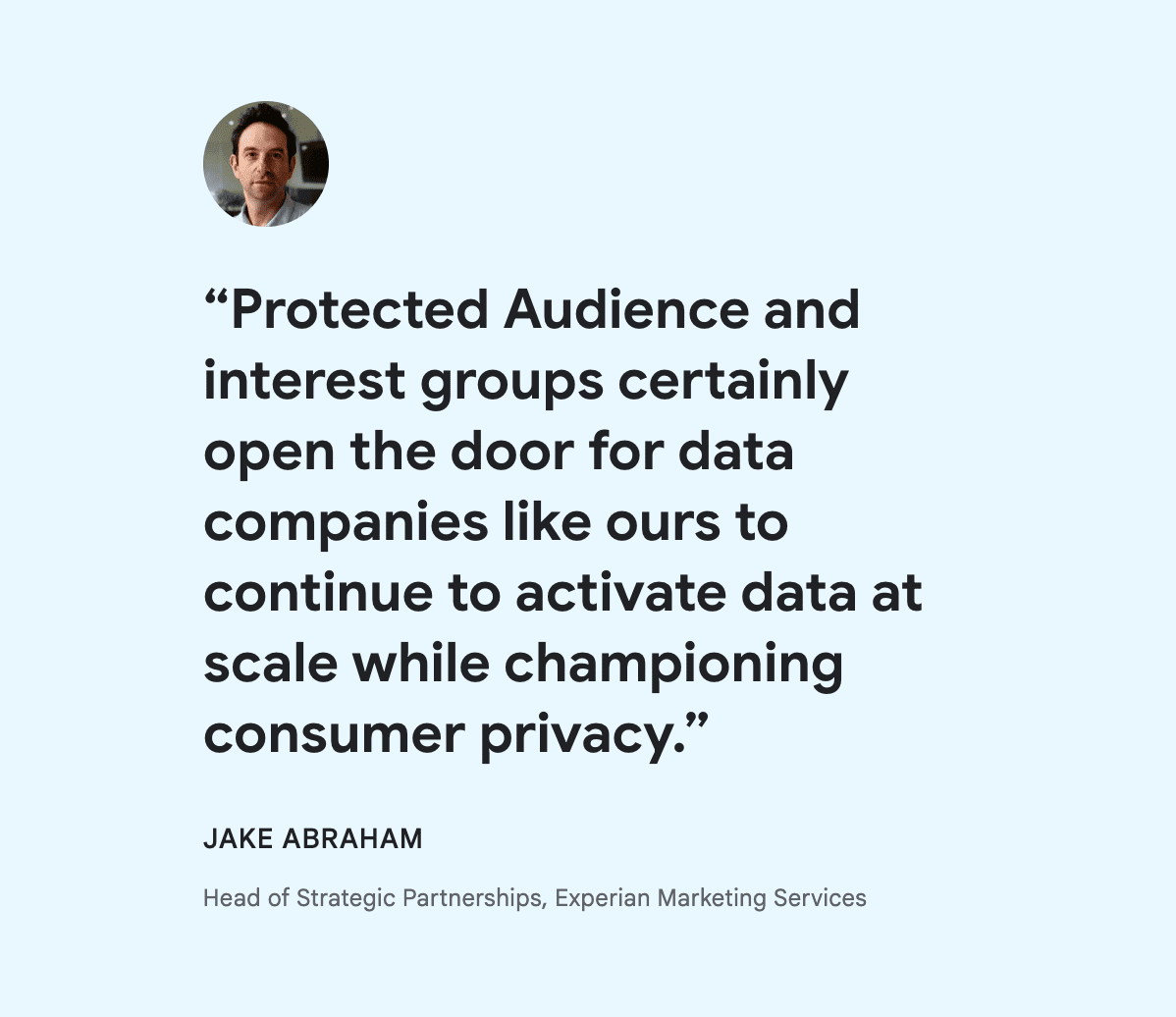
Platforms like Google’s Privacy Sandbox are working on alternatives to cookie-based tracking that still support performance optimization while protecting user identity.
In the meantime, advertisers need to focus on:
These foundations help keep ML strategies effective while also staying ethical and fully compliant with privacy laws.
Machine learning is extremely important in advertising, from targeting and personalization to predictive analytics, creative optimization, real-time bidding, and fraud prevention.
In a world with exploding data volumes, stricter privacy rules, and rising user expectations, ML is the only way to get the speed, scale, and flexibility modern campaigns demand.
Throughout this guide, we’ve looked at how machine learning improves efficiency, accuracy, and performance across every part of the ad workflow.
But here’s the thing.
Success doesn’t come from just adding another tool to your stack. You need clean, privacy-compliant data, clear goals, and ongoing oversight to make sure your models stay fair, transparent, and reliable.
Looking ahead, tools like generative AI, natural language processing, and large language models will take things even further. They will help brands create content faster, personalize deeper, and make decisions in real time.
The brands that ground their strategy in ML-powered insights and build on secure, ethical data practices are the ones that will stay ahead as digital advertising keeps evolving.
Ready to move forward?
inBeat Agency can help. Our team blends high-performance creative, advanced machine learning insights, and rapid testing frameworks to drive real results across every channel. Reach out today and let’s build your next breakthrough.
Machine learning analyzes large amounts of behavioral and contextual data to predict who is most likely to engage. It adjusts audiences in real time based on signals like browsing patterns and past interactions, which leads to more accurate targeting and stronger ROAS.
Not usually. Platforms like Google Ads and Meta Ads already include machine learning by default, so small businesses get the benefits without extra cost. Affordable tools like Mailchimp or HubSpot also offer built-in predictive features for smaller budgets.
Machine learning works best with clean first-party data, including impressions, clicks, conversions, and CRM insights. The richer and more organized your data is, the more accurate your predictions and audience segments will be.
Yes. ML models now rely on contextual signals, first-party data, and privacy-safe techniques such as federated learning. Solutions like Google’s Privacy Sandbox show how targeting and optimization can continue even in a cookieless environment.
ML identifies which visuals, copy, and formats perform best for each audience. With tools powered by generative AI and rapid testing, you can personalize and refine creative elements quickly, which leads to higher engagement and better conversion rates.